"Ferris Bueller's Day Off" opened in American theaters on June 11, 1986, and this month marks 40 years since Ferris first turned to the camera and let the audience in on his plan.
It arrived as the fourth film John Hughes wrote and the second he directed, following a run that had already made him the reigning chronicler of suburban Chicago adolescence.
Hughes had spent the mid-1980s building a loose cycle of Chicago-set teen pictures, including "Sixteen Candles" and "The Breakfast Club," and this film extended that run into its most consciously theatrical entry. Hughes reportedly drafted the screenplay in under a week in early 1985, working twenty-hour stretches before pitching the finished story to Paramount executive Ned Tanen. That speed shows up in the film's momentum, built less around obstacles than around a single day's accumulating incident.
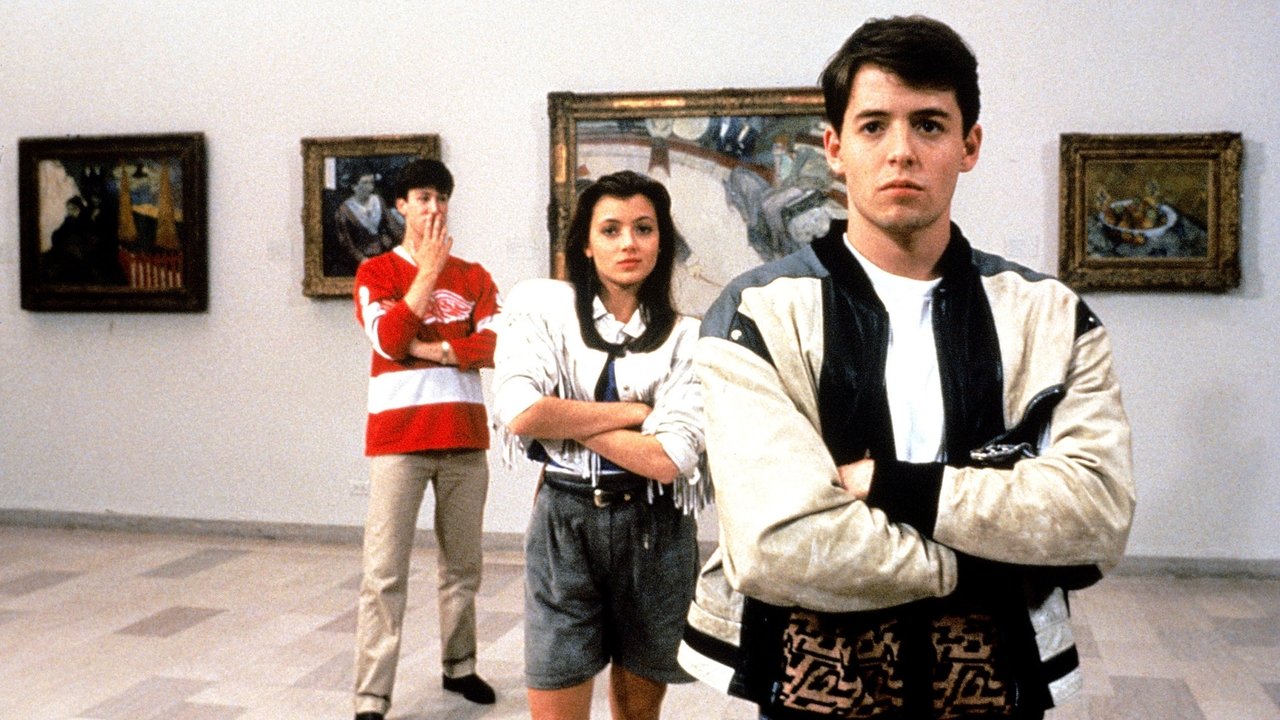
The film's most distinctive formal choice is Ferris's direct address to the camera, a device rare in mainstream studio comedy of the period. Matthew Broderick has said he was initially unsettled by the script's run of monologues to the audience. Hughes paired that intimacy with real Chicago geography: the Art Institute sequence, where Cameron freezes in front of Georges Seurat's "A Sunday on La Grande Jatte," and the parade, filmed on Dearborn Street.
The film's standing has shifted since 1986. Contemporary reviews, including Roger Ebert's three-star notice, praised Broderick and Alan Ruck's performances while questioning what the story endorsed. One detail sharpens any rewatch: Ruck was 29 when he played Cameron, a working-class-coded high schooler, a gap that reframes Cameron's anxiety as something closer to arrested adulthood. Now sitting at 85% on Rotten Tomatoes, it rewards a first watch for the confidence of its address to the audience and for Ruck's performance underneath the comedy.