Head in the Clouds opened in US cinemas on September 17, 2004, a Canadian-British co-production directed by John Duigan on a limited ten-screen release.
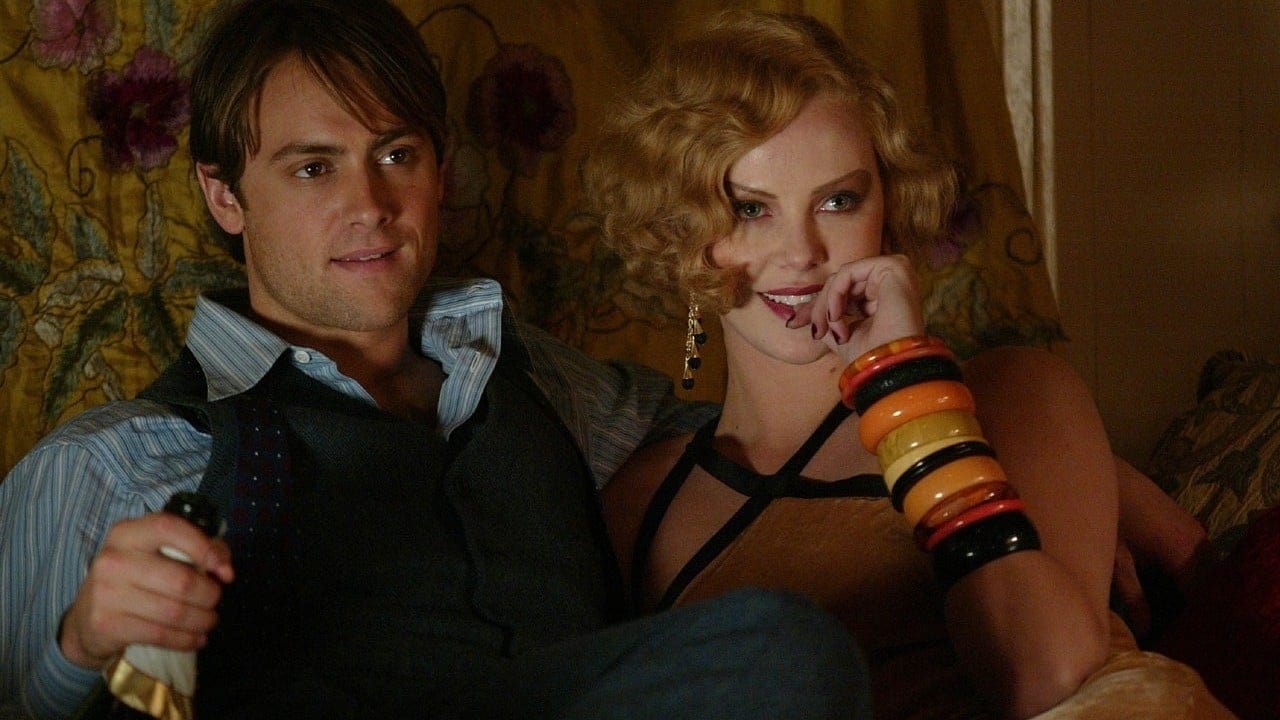
Twenty-two years on, it remains one of the odder footnotes in Charlize Theron's filmography: her first major starring vehicle after winning the Best Actress Oscar for Monster in 2003. The film follows Gilda Bessé, an aristocrat's daughter played by Theron, and Guy Malyon, an Irish Cambridge student played by Stuart Townsend, whose rekindled romance is pulled apart by the Spanish Civil War and then Nazi-occupied France, with Penélope Cruz as Guy's lover Mia.
Duigan, previously known for character-driven dramas like Sirens, was working from his own screenplay, spanning two decades from 1924 to 1944. Guy and Mia head to Spain to join the Republican cause while Gilda drifts through a more hedonistic Parisian life, before the war closes in on all three. The film leaned on lavish production design and costuming, later reflected in four Genie Award wins for cinematography, costume design, music and editing.
The film's reception was blunt: critics found the politics thin and the romance unconvincing, describing it as recycled wartime melodrama padded with an overcrowded plot. That criticism holds up on rewatch. The Spanish Civil War and Resistance material function largely as scenery for the love triangle rather than lived history. What still works is the central tension between Gilda's detachment and the collapsing world around her, and Theron's performance, which finds a coldness the script itself never quite earns.
Head in the Clouds was a commercial failure, grossing roughly $3.5 million worldwide, and there has been no critical rehabilitation to speak of. The honest reason to watch it now is not as a hidden gem but as a curiosity: an example of a newly Oscar-winning star testing how far her range and pull could stretch, in a handsomely mounted film whose ambition consistently outpaces its script.