"Mulholland Drive" premiered at Cannes in May 2001 and opened in US cinemas that October, arriving as one of the strangest survival stories in modern studio filmmaking.
David Lynch had shot it two years earlier as a pilot for ABC, intended as a follow-up to his "Twin Peaks" success. The network rejected the finished pilot outright, reportedly finding it too slow, dark and confusing to air. Rather than shelve the footage, French producers put up additional financing for Lynch to shoot roughly 45 minutes of new material and reshape the abandoned television pilot into a self-contained feature.
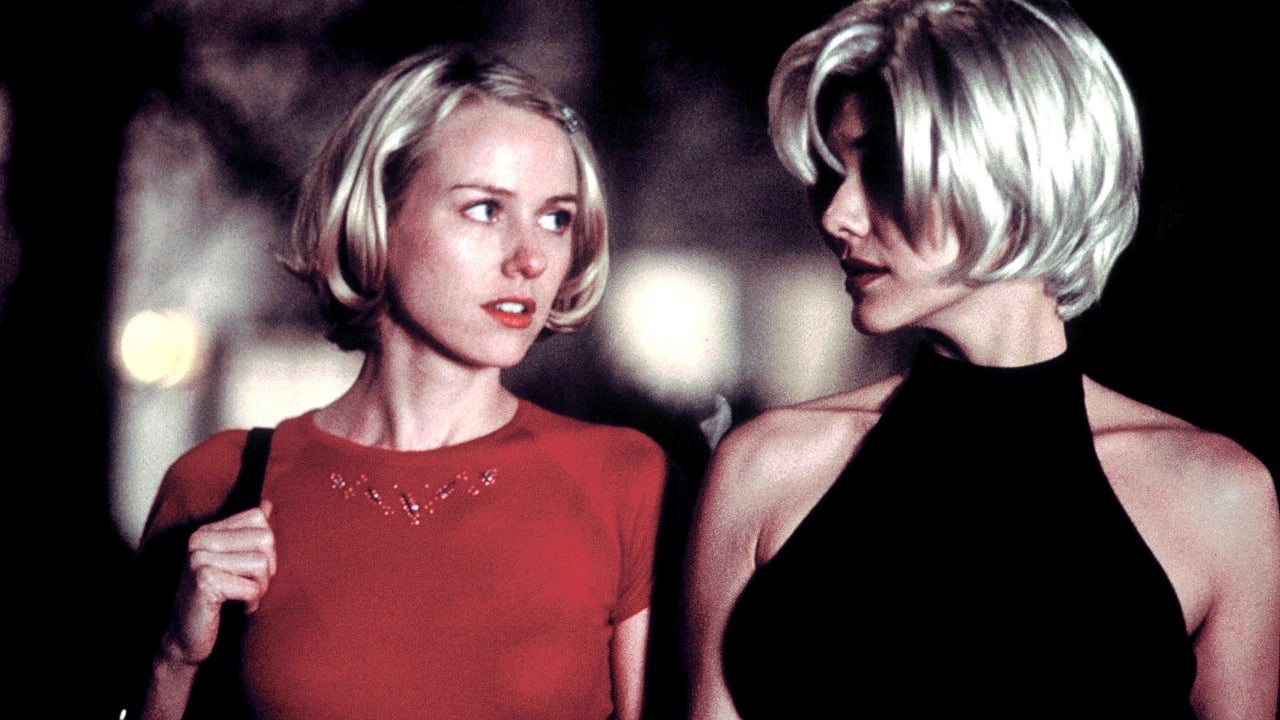
The film arrived a decade after "Twin Peaks" had made Lynch a household name in American television before that show's own network relationship soured. Naomi Watts, cast as both wide-eyed hopeful Betty Elms and a harder, more damaged counterpart, had spent roughly ten years in minor Hollywood and Australian roles without a breakthrough; she has said she was close to giving up acting entirely before Lynch cast her. Laura Harring and Justin Theroux filled out a cast built almost entirely around discovery rather than star power.
What makes the film endure isn't its puzzle-box reputation alone, but how precisely its dreamlike structure serves its subject. Lynch builds the film's first half as pristine, saturated Hollywood fantasy, then curdles that same imagery into something bruised and diminished, using repeated faces, spaces and objects to suggest that identity itself has become unstable. Rather than explain this shift, Lynch trusts tone and craft, sound design especially, to carry meaning that dialogue never states outright.
Lynch shared the Best Director prize at Cannes 2001 with Joel Coen, and the film later earned him an Academy Award nomination for Best Director. In 2016, a BBC Culture poll of 177 critics worldwide named it the single greatest film of the 21st century, ahead of titles like "In the Mood for Love" and "There Will Be Blood." For a first watch, the reason to start now isn't to crack its ending, Lynch never confirmed a single correct interpretation, but to see how a rejected TV pilot became one of the most studied American films of its era.