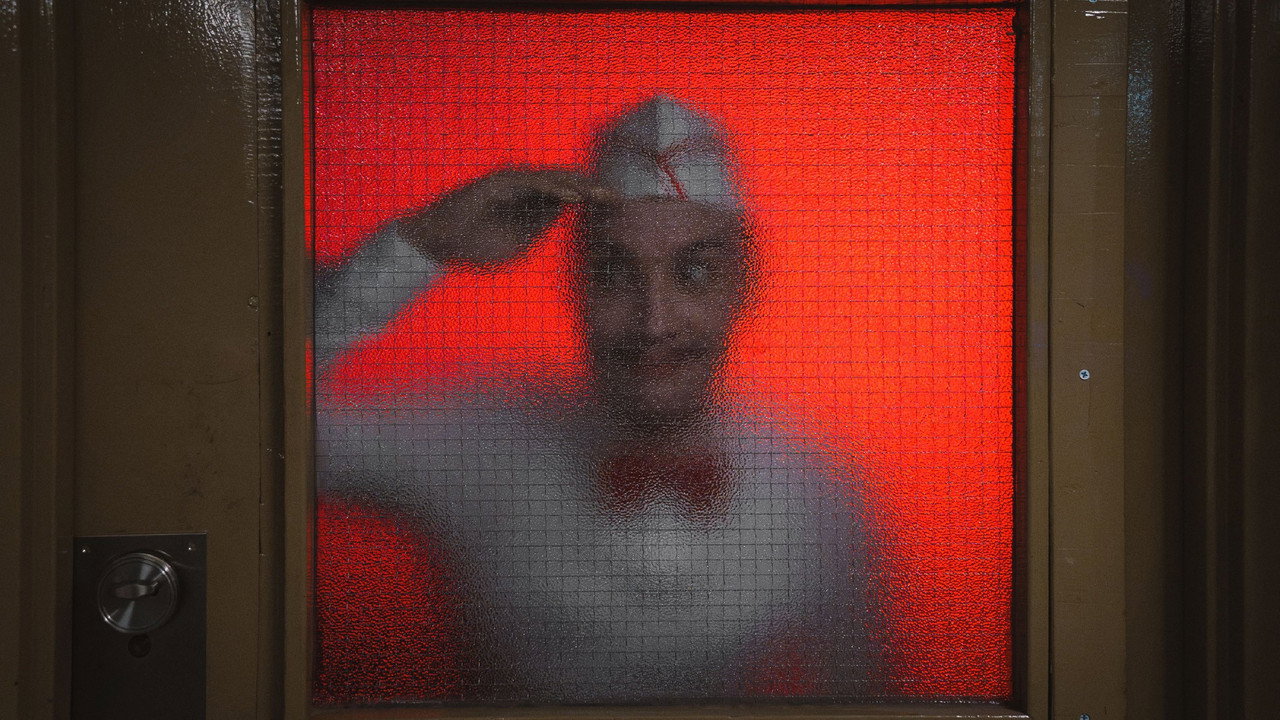
Silent Movie opened in the United States on June 17, 1976, a deliberately contrarian release for a decade dominated by disaster pictures and paranoid thrillers.
Mel Brooks directed, co-wrote and starred as Mel Funn, a washed-up director trying to convince a nervous studio to let him make a silent picture. Dialogue appears only as intertitles, a structural bet rather than a gimmick played for one scene, and the film went on to hold a Guinness World Record as the sound-era film with the fewest spoken words.
Brooks made Silent Movie immediately after Blazing Saddles and Young Frankenstein, both released in 1974 and both massive hits that gave him unusual leverage over a major studio. He returned to the pantomime and physical comedy roots of his television years on Your Show of Shows, betting a big-studio budget on a form Hollywood had abandoned decades earlier. He filled the cast with Marty Feldman, Dom DeLuise and Bernadette Peters, then recruited Anne Bancroft, Liza Minnelli, Burt Reynolds, James Caan and Paul Newman to appear as exaggerated versions of themselves, all paid union scale, keeping the budget to roughly $4.4 million.
The film's sharpest running joke is aimed at the industry that financed it: the villain is a conglomerate called Engulf & Devour, a direct jab at Gulf & Western's real 1966 takeover of Paramount, run by yes-men who can't recognize a good picture when Funn pitches them one. The film's most quoted moment turns the whole conceit inside out: called on to save the production, mime Marcel Marceau delivers the movie's only spoken line, a single word, in French, refusing the request outright.
Reviews split on release, with Roger Ebert calling it a considerable stylistic risk that Brooks pulled off triumphantly, while Vincent Canby found it a steady stream of smiles without much outright hilarity. Audiences settled the argument, with the film earning over $21 million in domestic rentals. Its reputation has only grown since: full-length silent comedy in a sound era was a stunt nobody else attempted at this scale until The Artist won Best Picture 35 years later.