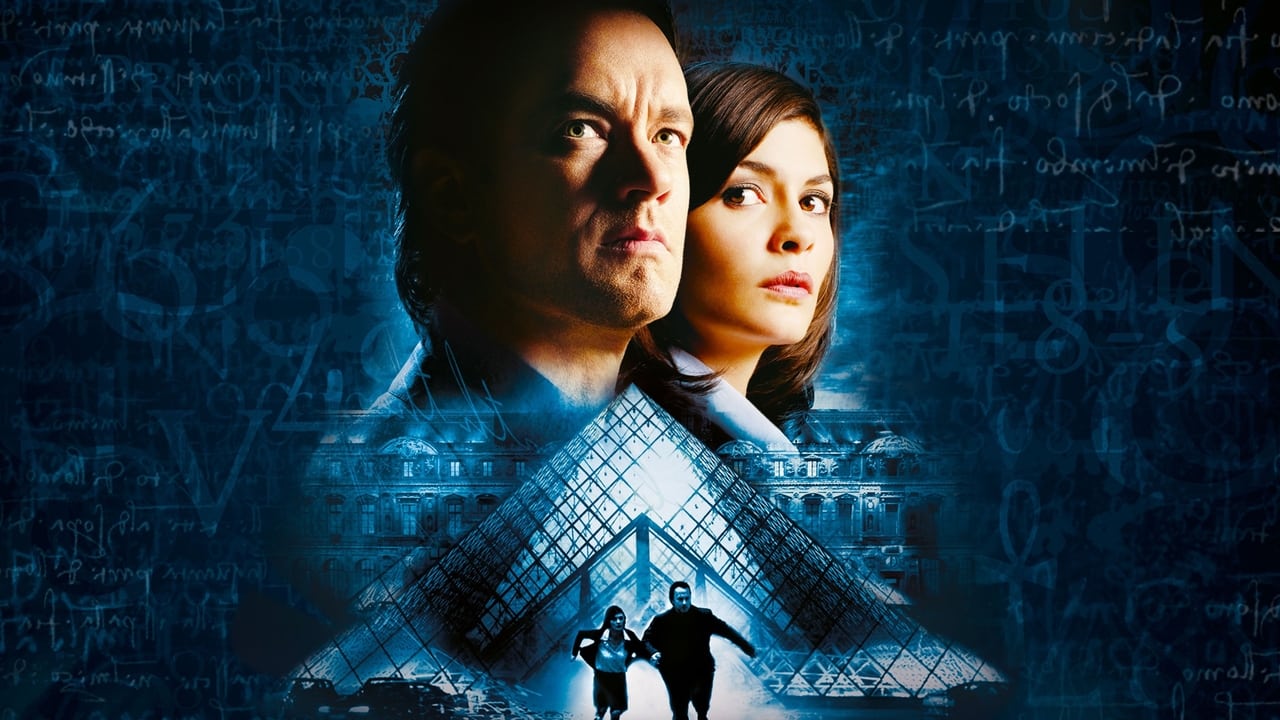
"The Da Vinci Code" opened wide on May 19, 2006, after Ron Howard's adaptation had already made global headlines by opening the Cannes Film Festival two days earlier.
Sony built the release around Dan Brown's 2003 novel, by then one of the best-selling books of the decade at roughly 80 million copies worldwide, pairing Tom Hanks as symbologist Robert Langdon with Audrey Tautou as cryptologist Sophie Neveu. The anniversary is a reason to revisit a film that arrived less as a normal studio thriller than as a genuine event.
Brown's novel had already been denounced by many Christian denominations for its claims about church history, and the film inherited that fight at full volume. Archbishop Angelo Amato called for a boycott, Cardinal Francis Arinze urged legal action, and the U.S. Conference of Catholic Bishops publicly condemned its treatment of Jesus and Mary Magdalene. Several countries, including Lebanon, Jordan, Iran and Egypt, barred the film outright.
None of that controversy translated into critical goodwill: reviewers at Cannes reportedly greeted a key line of dialogue with laughter, and the finished cut landed at just 25% on Rotten Tomatoes. What makes the film worth returning to now is the gap between that reception and what audiences actually did with it. A B+ CinemaScore and an opening weekend north of $220 million globally suggest a film that critics judged as clumsy exposition but that general viewers experienced as a puzzle-box built for talking through afterward.
The film went on to gross more than $800 million worldwide, becoming the second-highest earner of 2006, and it built a genuine trilogy: Howard and Hanks returned for "Angels & Demons" in 2009 and "Inferno" in 2016. Twenty years on, the reasons to watch it are less about solving its central puzzle and more about what it captures: a studio still betting on adult, book-driven blockbusters, and a rare case where cultural notoriety and box office told a completely different story than the reviews.