A new international trailer for Blades of the Guardians: Wind Rises in the Desert confirms a June 30 digital release from Well Go USA, following the film's mainland China theatrical bow on February 17, 2026.
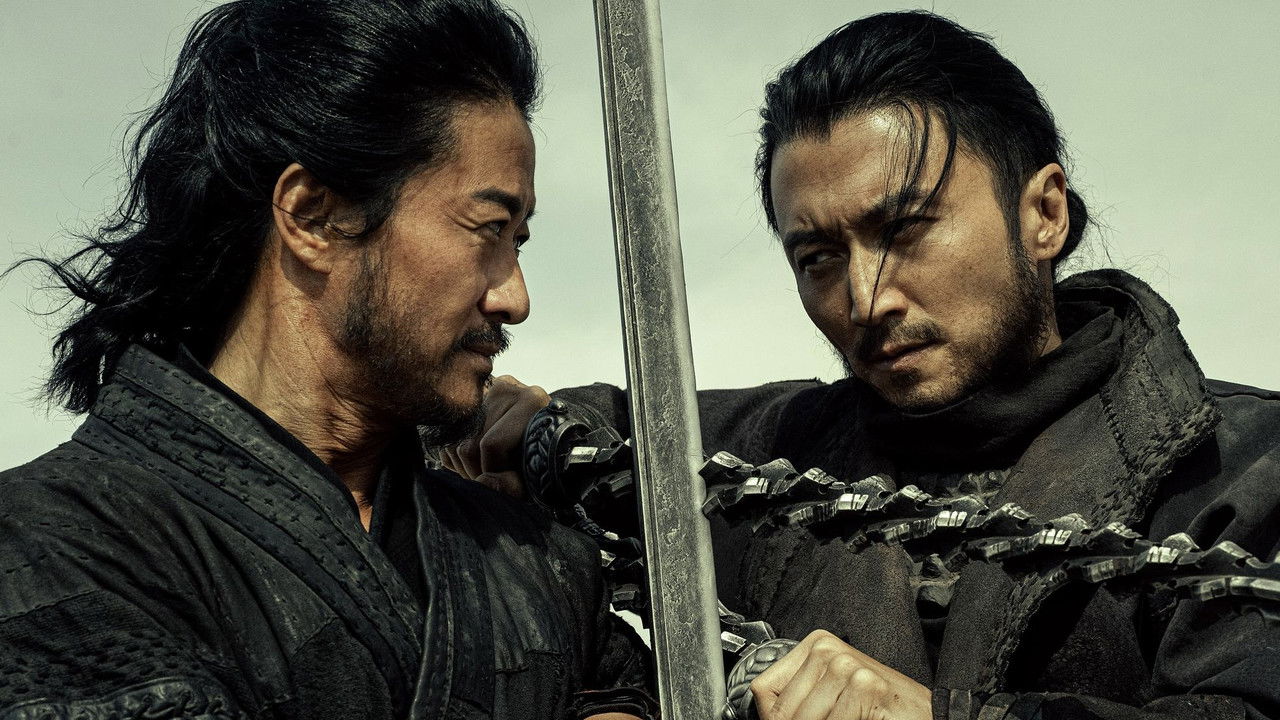
Wu Jing returns as bounty hunter Doa Ma, hired to escort the empire's most wanted fugitive, Zhi Shi Lang (Sun Yizhou), to Chang'an, only for the pair to be hunted across the desert by rival warriors. Nicholas Tse, Chen Lijun and Jet Li round out the cast. Veteran choreographer-turned-director Yuen Woo-ping, the mind behind the fight design on Kill Bill and The Matrix, stages the pursuit himself.
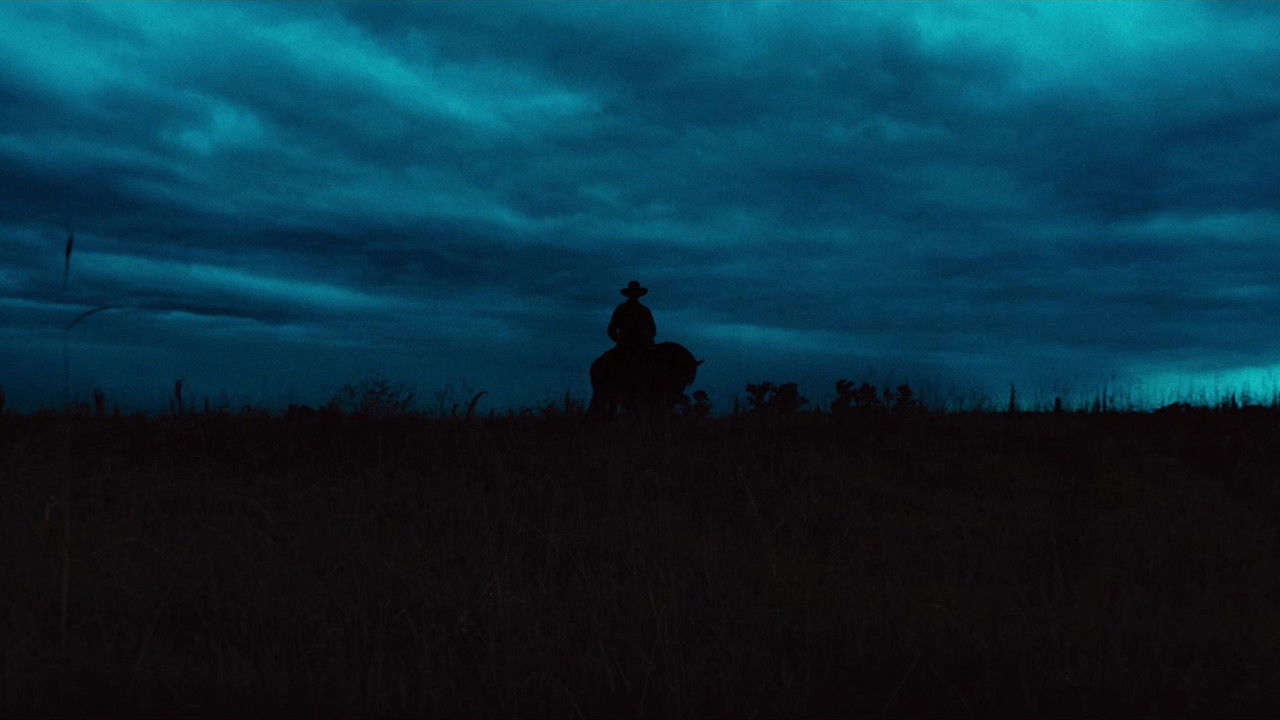
Where earlier coverage centered on the film's chaotic path to the screen, this cut is the first to sell the finished product on spectacle rather than backstory: wide desert vistas, blade-heavy skirmishes, and an ensemble roster that now visibly includes Tony Leung Ka-Fai, Max Zhang, and Kara Wai alongside the leads. Trade coverage around the trailer's release has stayed close to plot mechanics and cast billing, functioning more as a release-date marker for Western audiences than a reveal of new footage.
The film adapts Xu Xianzhe's manhua Biao Ren. Production was anything but smooth: principal photography ran from July to November 2024 across Xinjiang and Beijing, then lead actress Nashi was dropped in June 2025 after allegations of college entrance exam fraud, forcing an 11-day reshoot with opera performer Chen Lijun as her replacement and pushing the budget from roughly ¥550 million to ¥850 million. Despite the disruption, the film opened to a 94% critics' score on Rotten Tomatoes in China and grossed $214.44 million domestically.
None of that turmoil is visible in the marketing, which leans entirely on genre pedigree: a director whose choreography defined a generation of martial arts cinema, paired with a cast built from multiple eras of Hong Kong and mainland action stardom. That combination is a reasonable basis for optimism about the fight choreography specifically, though the trailer says little yet about pacing or character work. The strong critical reception in China is a genuine signal, though it says more about opening-week response than how the film will read for Western audiences encountering it cold.