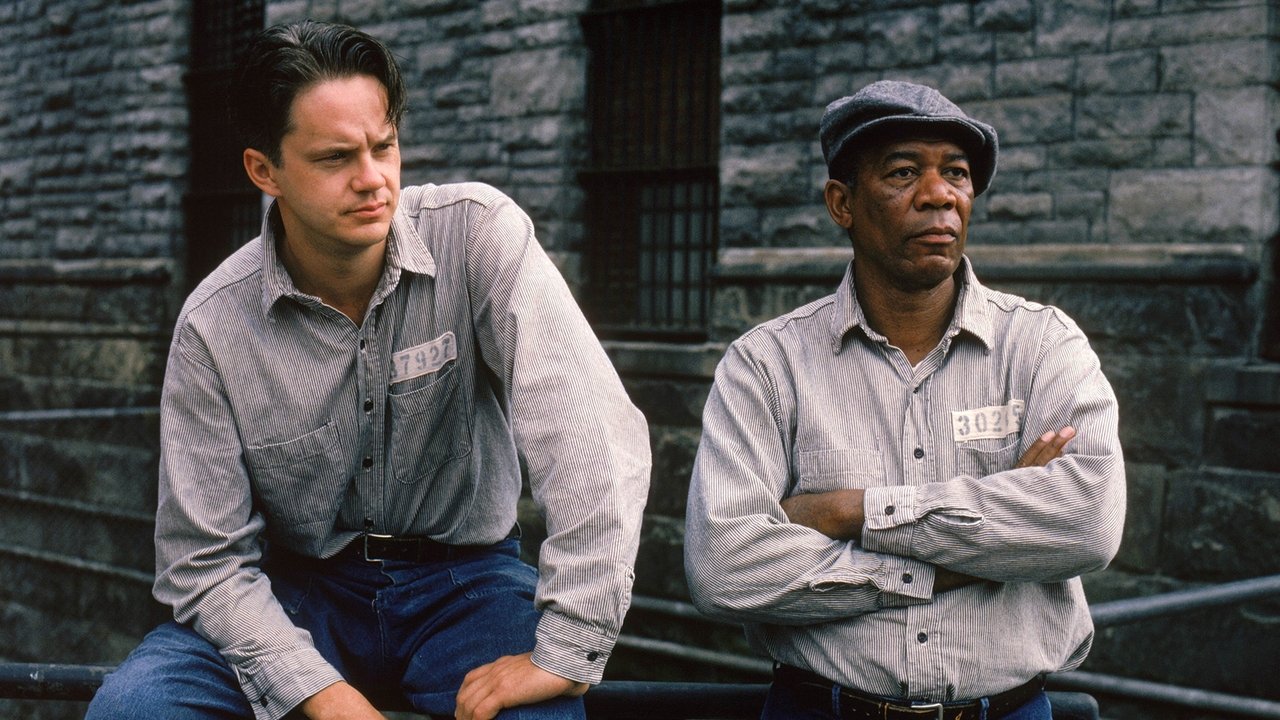
The Shawshank Redemption asks for patience in a way most films don't bother with anymore. Frank Darabont's 1994 drama follows Andy Dufresne, a banker sent to Shawshank State Penitentiary in the 1940s for a murder he says he didn't commit, and the friendship he builds over years inside with a fellow prisoner named Red. Morgan Freeman's narration carries the passage of years without rushing them, and the friendship develops in small, specific moments rather than big speeches. It is a movie about endurance, told at the pace endurance actually takes.
Stephen King wrote the source material, a novella called Rita Hayworth and Shawshank Redemption, and Darabont trimmed the title so nobody mistook the film for a biopic about the actress. He shot much of it inside the real Ohio State Reformatory in Mansfield, Ohio, a working prison that had closed only three years earlier, and the wear of the actual building does a lot of the film's quiet work.
When it opened in September 1994, almost nobody went. Warner Bros. put it into just 33 theaters to build word of mouth, and even after a wider release it earned around sixteen million dollars against a budget of roughly twenty five million. A vague title, a grim setting, and stiff competition from Pulp Fiction that same season all worked against it. On paper, it was a flop.
The reversal happened almost entirely off the marketing calendar. Seven Oscar nominations the following spring, including best picture, sent people back to look for it. It became one of the most rented videotapes of 1995, then a fixture of cable reruns once TNT picked it up in 1997. Somewhere in that slow climb, with no reissue campaign behind it, it settled in at the very top of IMDb's user ratings, where it still holds a 9.3, a position built on repeat viewers telling other people to watch it.
It is streaming now on MGM+ in the US, and on HBO Max in the UK and Australia. Give it the uninterrupted evening it asks for; the film pays that patience back.