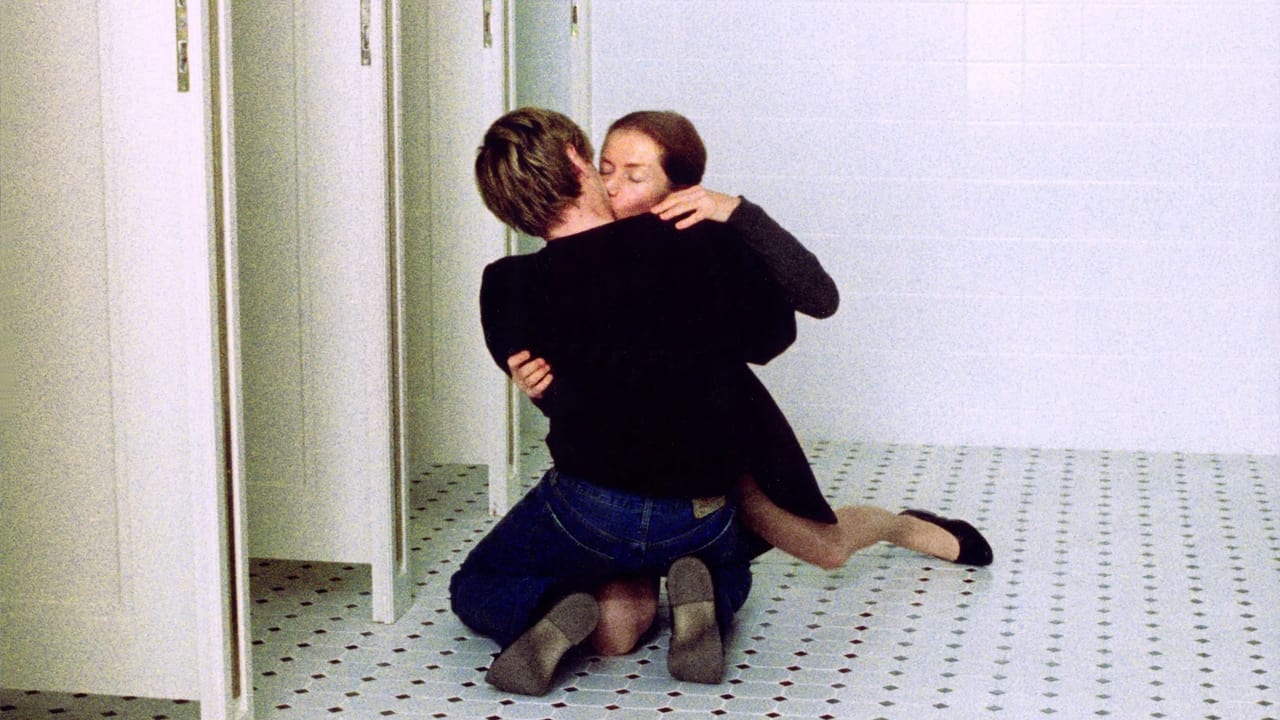
The Piano Teacher opened in French cinemas on 5 September 2001, twenty five years ago today, and it has lost none of its capacity to disturb. Michael Haneke's clinical, exacting drama follows Erika Kohut, a piano teacher at a Vienna conservatory who still lives with, and sleeps beside, her domineering mother. When a young student begins pursuing her, the tightly controlled life she has built starts to come apart in ways that are difficult to watch and harder to forget.
Haneke wasn't the first filmmaker attached to adapt Elfriede Jelinek's 1983 novel of the same name. Two earlier attempts, by Valie Export and Paulus Manker, collapsed before filming for lack of financing. By the time Haneke picked it up, he had already built a reputation for cold, confrontational cinema, and the material suited him: a story about repression, control, and the gap between a woman's private compulsions and her public composure.
Isabelle Huppert's performance as Erika is the film's engine. She plays a woman whose stillness conceals nearly everything, and Haneke shoots her in long, unmoving takes that refuse to soften or explain her, so that a glance across a practice room carries more threat than most thrillers manage with a score. The film treats the conservatory's Schubert and Schumann as part of the argument too: music that demands total control from the performer, taught by a woman who has almost none over herself.
The film swept Cannes in May 2001, taking the Grand Prix along with best actress and best actor prizes for Huppert and Benoît Magimel, an unusually complete run for a single title. Jelinek herself went on to win the Nobel Prize in Literature in 2004, a reminder of how significant the source material already was before Haneke's adaptation existed. It reached US theaters the following spring, in March 2002.
Twenty five years on, it hasn't dated the way many films from that era have, mostly because its subject, repression and the cost of policing your own desire, never really goes out of style. It remains the film to point to when someone asks what Haneke is for.